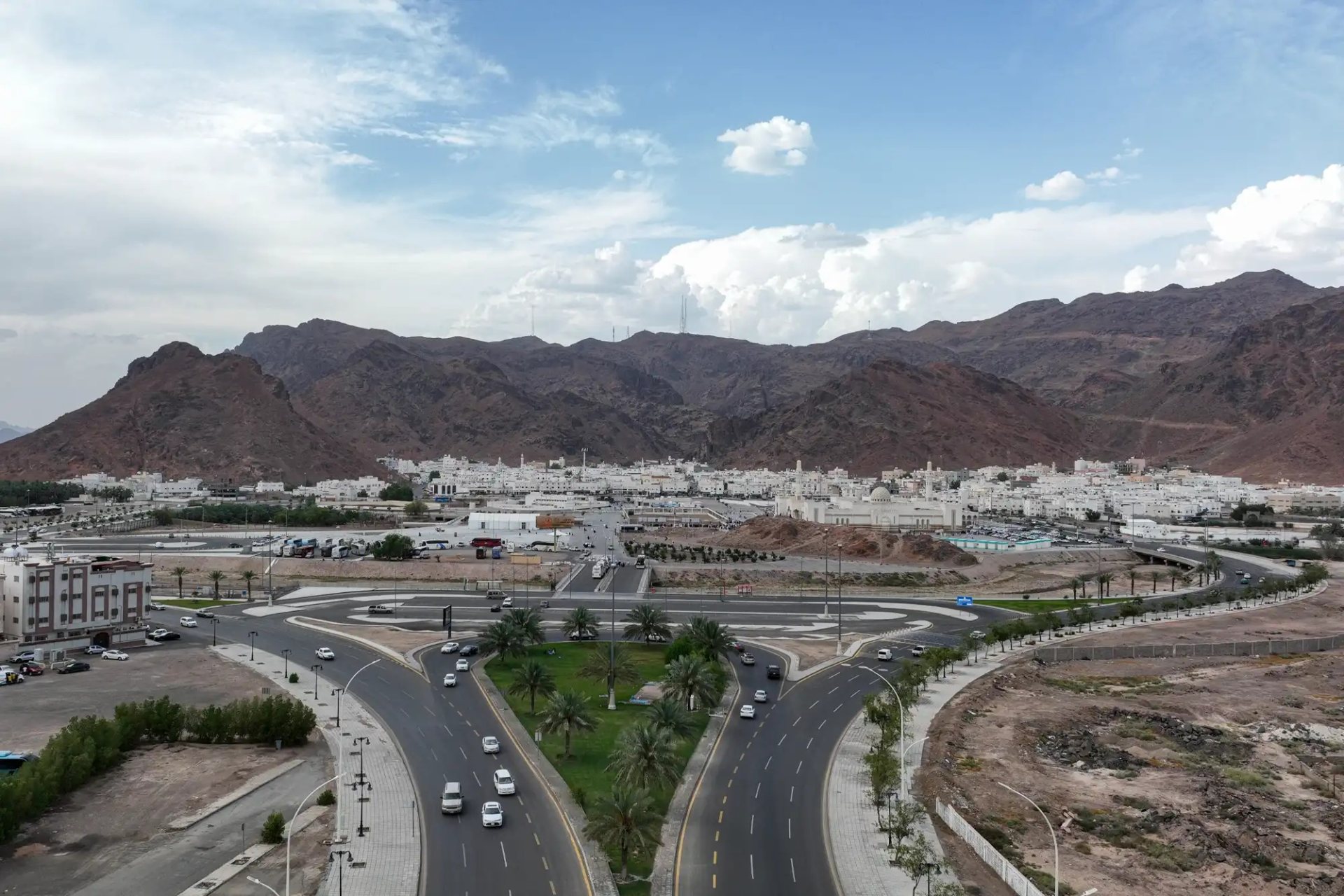
Mountain landmark
Mount Uhud
The mountain landscape north of Madinah, closely connected with the Battle of Uhud and its surrounding historical sites.

YOUR EVERYDAY GUIDE
Understand the mountains, open spaces and walking routes that shape the story of both cities.
13 results
Mountain landmark
The mountain landscape north of Madinah, closely connected with the Battle of Uhud and its surrounding historical sites.
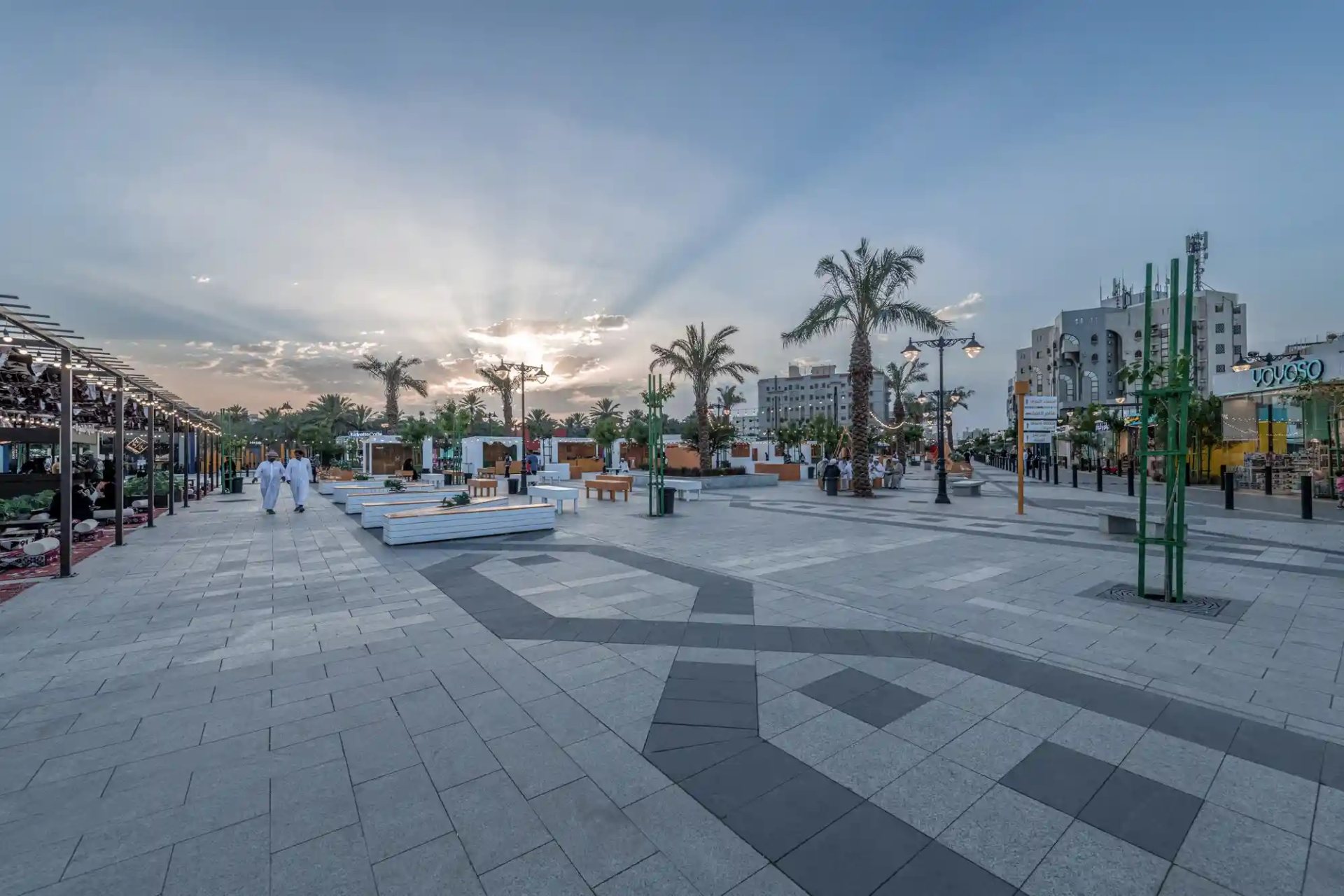
Walking trail
A pedestrian connection between the Prophet’s Mosque area and Quba Mosque, with a different view of everyday Madinah.
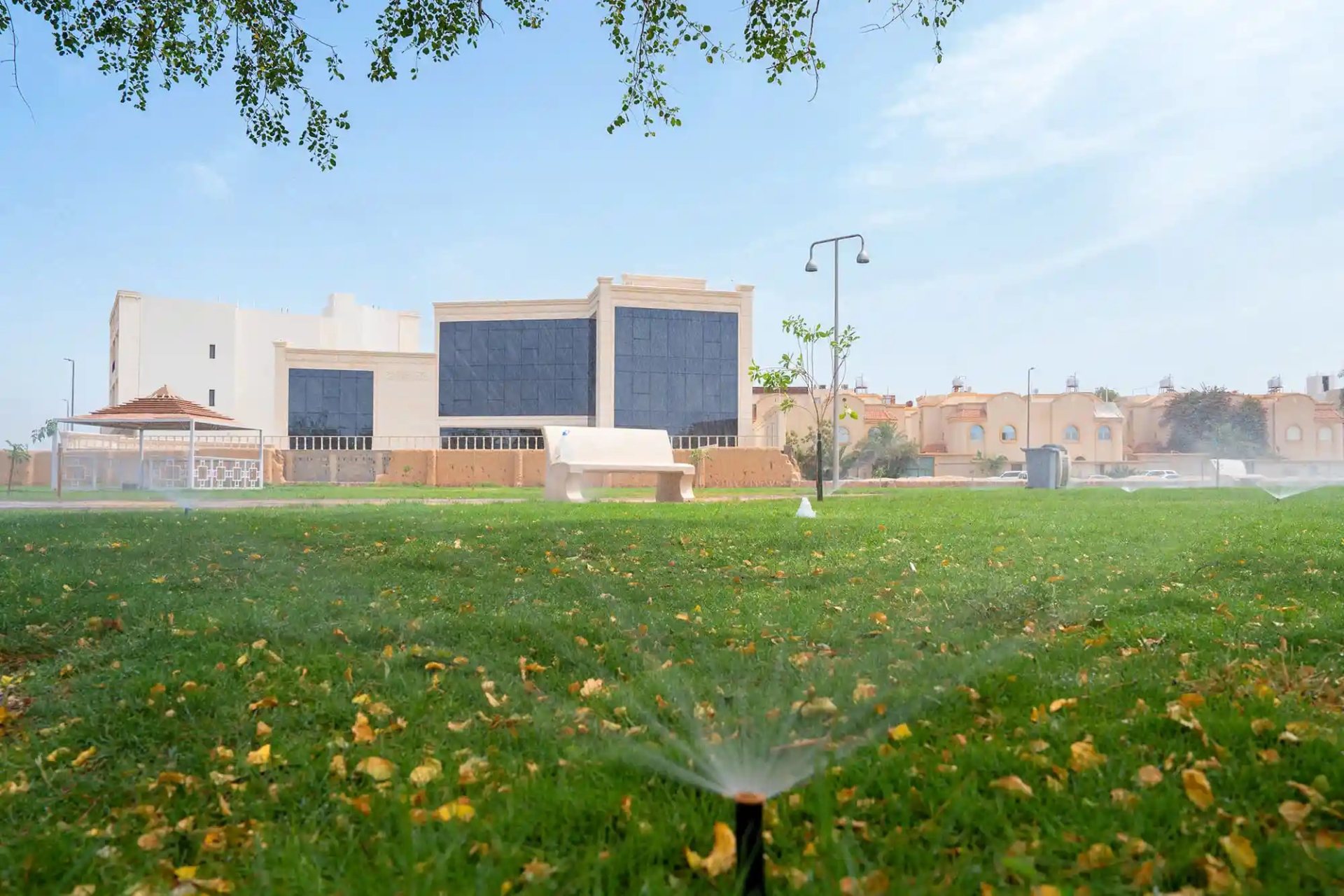
Public park
A green family destination in southern Madinah, with walking routes, play areas and cultural spaces beyond the central mosque district.
Historical landmark
Al-Baqi adjoins the eastern side of the Prophet’s Mosque. It is the historic cemetery associated with many companions and members of the Prophet’s family. The official guide cites an estimate of about 10,000 companions; entry is controlled and should not be described as open 24 hours.
Historical landmark
This garden northwest of the Prophet’s Mosque marks the meeting place associated with the pledge to Abu Bakr after the Prophet’s death. A saqifah was a sheltered gathering space, not a separate prayer rite. It can be considered with the nearby central heritage walk.
Historical landmark
This rocky hill beside the Uhud battlefield is also called Aynayn. The historical account places fifty archers under Abdullah ibn Jubayr here during the battle of 3 AH. Viewing the hill from the square is different from climbing its uneven rock; no verified climbing fee is listed here.
Historical landmark
At the foot of Uhud, this memorial landscape brings together the martyrs’ cemetery, Archers’ Hill and the nearby mosque. Around seventy Muslims died in the battle, including Hamzah, Mus’ab ibn Umayr and Abdullah ibn Jahsh. Respect the cemetery boundary and the current viewing arrangements.
Historical landmark
Ghars is a historic well in Al-Awali, northeast of Quba Mosque. Historical traditions associate it with the Prophet’s drinking and washing water; some reports have differing scholarly assessments. The tourism authority has carried a maintenance-closure notice, so reconfirm opening before making a special trip.
Historical landmark
Northwest of the Prophet’s Mosque, Rumah is remembered for Uthman ibn Affan’s purchase and endowment of its water for the community. It represents Madinah’s long history of wells, orchards and charitable provision. The historic endowment does not imply unrestricted access to surrounding cultivated land.
Historical landmark
Al-Ihn is a stone-lined heritage well in the Al-Awali area. The official history records its earlier name Al-Asirah and the tradition that the Prophet renamed it Al-Yasirah. Use this identification rather than treating variant spellings as different wells.
Historical landmark
The historic well west of Quba Mosque is also called the Well of the Ring. Its traditions recall the Prophet sitting with companions and the later loss of his seal ring from Uthman’s hand. The historical location should not be confused with a guarantee of access to an exposed original well.
Historical landmark
Al-Aqiq is a major valley in Madinah’s geography, known in Islamic tradition as the Blessed Valley. Landscaped walking sections offer a different view of the city’s palms and valley setting. Choose a defined promenade entrance; the entire natural valley is not one continuous equipped park.